Window Tint Virginia Beach: Heat & UV Protection
Automotive, Window Tint Virginia Beach
Window Tint in Virginia Beach: Heat Rejection, UV Protection & Legal Tint Laws
If you spend any time driving around Hampton Roads, you know how intense the coastal sun can be. Quality window tint in Virginia Beach is about much more than style – it’s about staying cooler, protecting your skin and interior, and staying within Virginia’s tint laws. At Xtreme Detailing, we help Virginia Beach drivers choose the right films, shades, and installation approach for long-term comfort and compliance.
What Automotive Window Tinting Is and How It Works
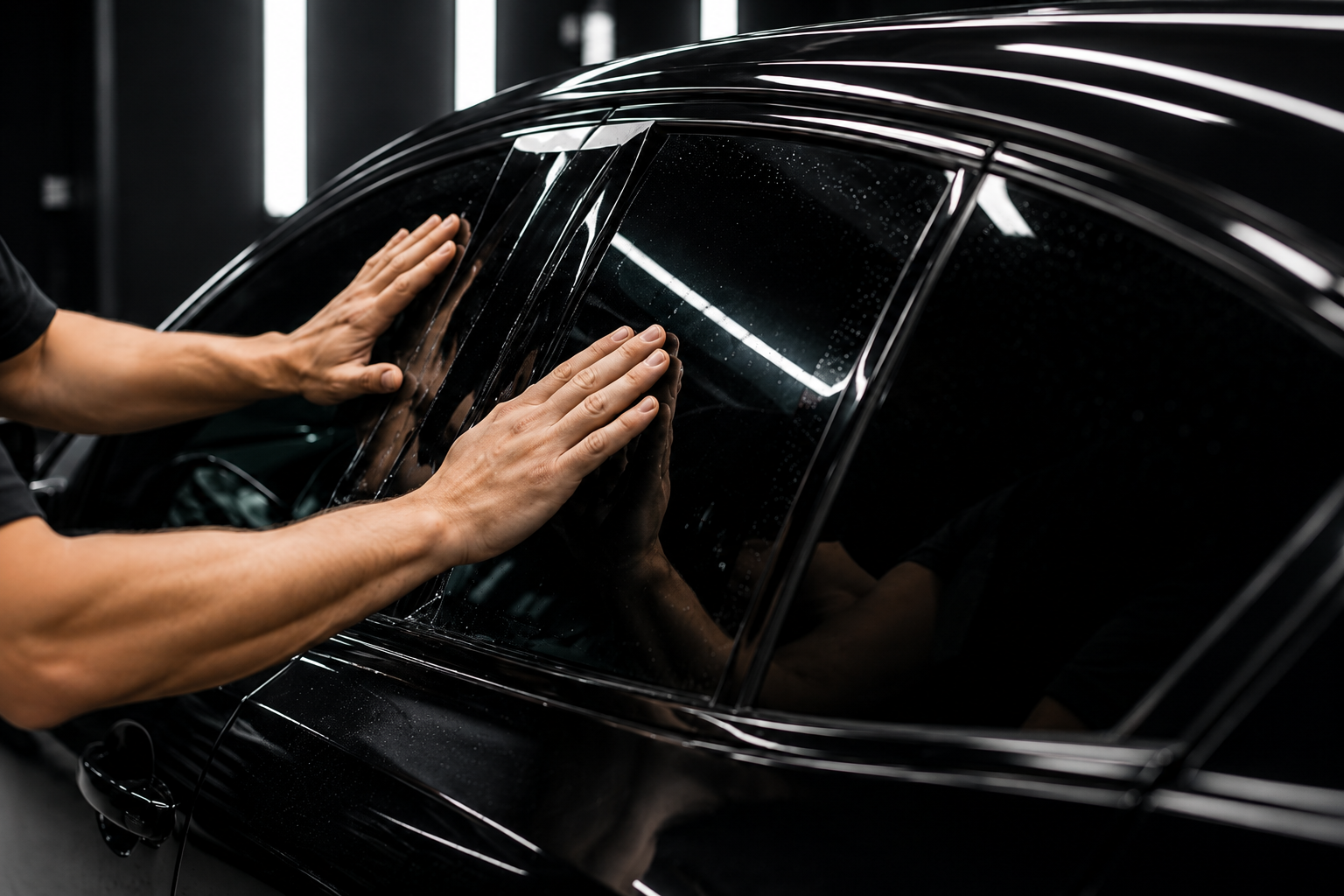
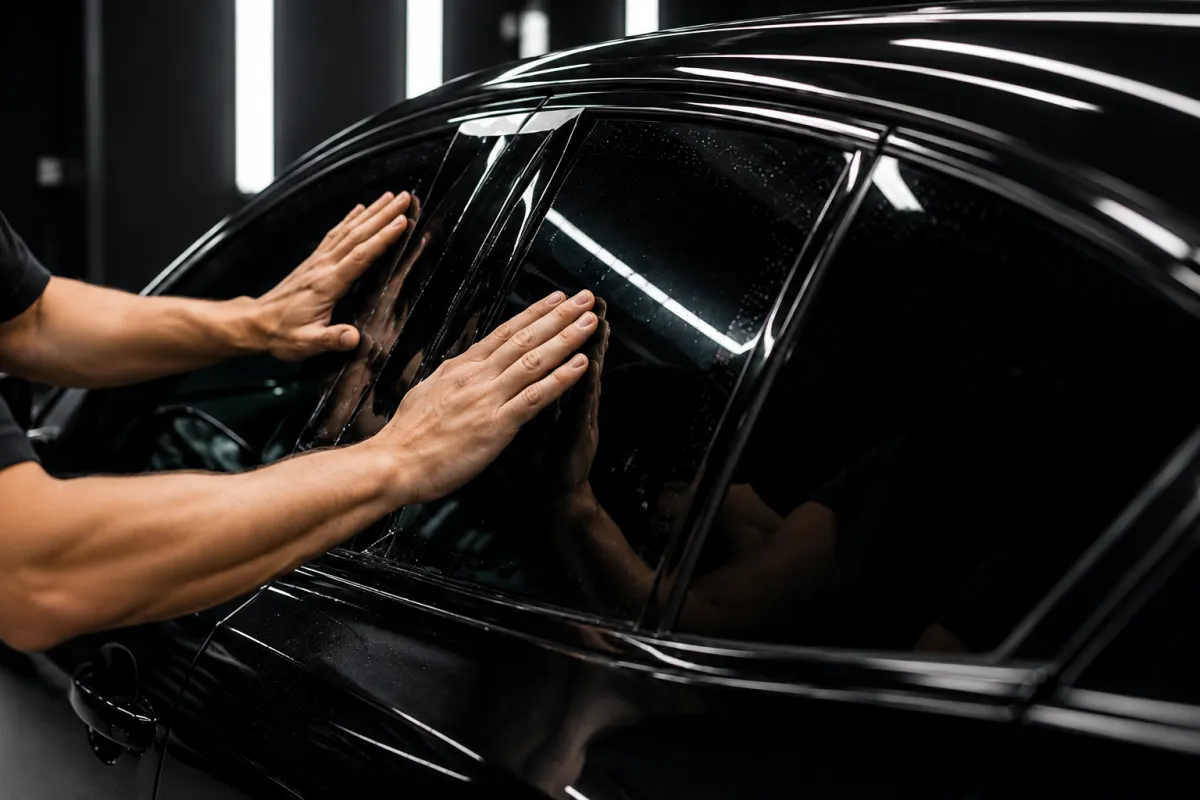
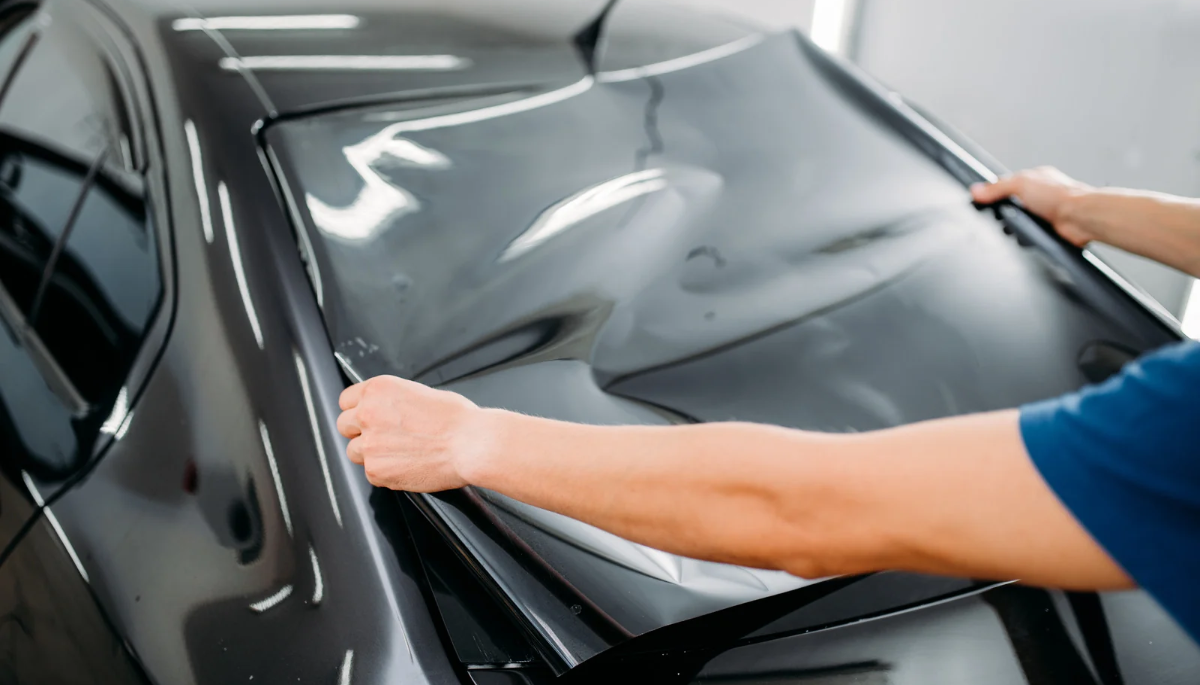
Automotive window tinting is the process of applying a thin, multi-layered film to the inside surface of your vehicle’s glass. This film is engineered to control how much light, heat, and ultraviolet (UV) radiation passes through your windows while still maintaining safe visibility and an attractive appearance.
Modern films use combinations of dyes, metals, and ceramic particles to selectively block parts of the solar spectrum. Visible light is reduced to cut glare; infrared (IR) energy is rejected to lower cabin heat; and UV wavelengths are filtered to protect your skin and interior surfaces. When installed correctly, quality car window tinting in Virginia Beach becomes a permanent upgrade that performs quietly in the background every time you drive.
Key Benefits: Heat Rejection, UV Protection, Glare Reduction & Privacy
1. Window Tint Heat Rejection for Coastal Summers
On hot, humid summer days, the inside of an unprotected vehicle can feel like an oven. High-performance heat rejection film is designed to block a significant portion of the sun’s infrared energy before it turns into heat in your cabin. The result is a cooler interior, less reliance on air conditioning, and a more comfortable commute across Virginia Beach, Chesapeake, and Norfolk – even when your car has been parked in full sun.
2. UV Protection for Your Skin and Interior
Quality UV protection tint can block up to 99% of harmful UVA and UVB rays. That matters for more than just your dashboard. UVA rays are linked to premature skin aging and can penetrate standard auto glass. By adding a UV-filtering film, you help protect your skin, reduce fading and cracking of leather and plastics, and preserve the look and value of your vehicle over time.
3. Glare Reduction and Driving Comfort
Sun glare off the water, wet pavement, or other vehicles is more than just annoying – it can be a safety issue. Properly selected window tint reduces harsh glare, making it easier to see traffic lights, pedestrians, and road hazards. Many Virginia Beach drivers notice less eye strain and fatigue on longer drives after installing a professionally matched tint package.
4. Privacy and Security
While Virginia law limits how dark you can go on some windows, legal window tint in Virginia Beach can still make it harder for people to see inside your vehicle. That added privacy can discourage casual theft, make families feel more comfortable with children in the back seat, and give your car a clean, cohesive appearance without drawing unwanted attention.
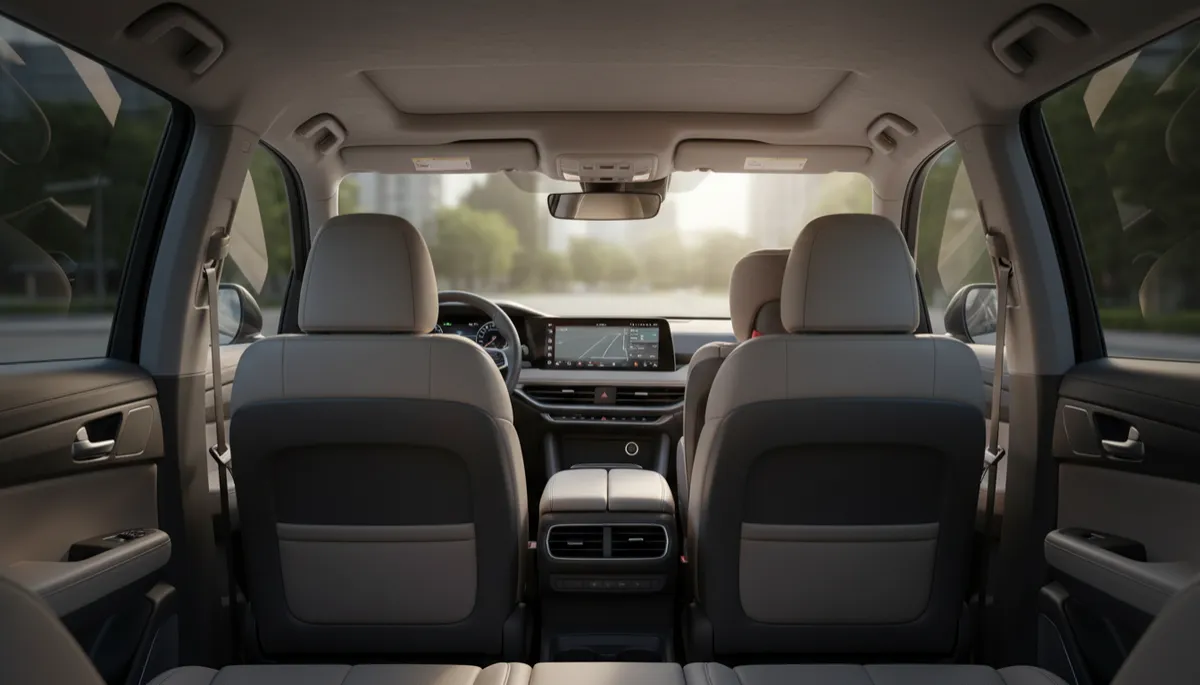
Quality tint improves comfort, reduces glare, and helps protect family passengers every day.
What Is Ceramic Window Tint and How Is It Different?
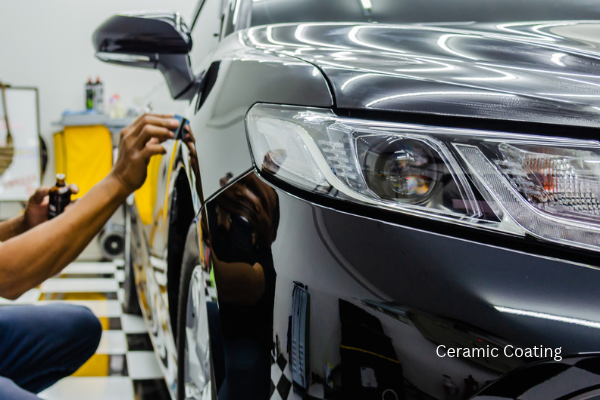
Ceramic window tint is considered a premium film technology. Instead of relying on simple dyes or metallic layers, ceramic films use non-metallic, nano-ceramic particles that are highly effective at blocking heat and UV without needing to be extremely dark. Because the law in Virginia focuses on light transmission and reflectivity rather than the material itself, ceramic films are legal as long as they meet the state’s visible light and reflectance limits (see Code of Virginia §46.2-1052 at law.lis.virginia.gov).
Versus dyed film: Ceramic tint resists fading, offers better heat rejection, and typically looks clearer from the inside.
Versus metallic film: Ceramic films provide strong performance without the potential interference with GPS, cell, and keyless-entry signals that some metalized films can cause.
For many Virginia Beach drivers, especially those with newer vehicles and advanced driver-assistance systems, ceramic tint is an excellent balance of comfort, clarity, and technology friendliness.
Choosing the Right Shade and Film for Your Vehicle
Balance Style, Comfort, and Legal Limits
When selecting car window tinting in Virginia Beach, it is important to think beyond how dark the film looks on a sample card. You want a combination that works with your vehicle color, your driving habits, and Virginia law. A professional shop like Xtreme Detailing can measure the factory glass on your vehicle and recommend a film that keeps your overall visible light transmission (VLT) within legal limits once the film is installed.
Consider your commute: If you drive early mornings or late at night, you may prefer a slightly lighter shade for easier visibility while still gaining heat and UV protection.
Think about passengers: Families often prioritize rear-seat comfort and privacy for kids and pets, within the limits that apply to your vehicle type.
Choose film technology, not just shade: A lighter ceramic window tint can outperform a darker dyed film in heat rejection, while still appearing more subtle and compliant.
If your vehicle already has a factory privacy glass on the rear, a professional installer can explain how that tint interacts with additional film so you remain within legal VLT thresholds.
Virginia Window Tint Laws: What Virginia Beach Drivers Need to Know
Virginia’s window tint regulations apply statewide, including Virginia Beach. The following is a general overview based on the Code of Virginia §46.2-1052 and guidance from the Virginia State Police and DMV. It is not individualized legal advice, and you should always review the current law directly at law.lis.virginia.gov and dmv.virginia.gov.
Standard Passenger Cars (Sedans)
Front side windows: Must allow at least 50% visible light transmission (VLT) into the vehicle.
Rear side windows and rear window: Must allow at least 35% VLT.
Windshield: Dark tint is limited to the manufacturer’s sun-shield band at the top. As of July 1, 2026, clear (non-tinted) film that meets federal standard FMVSS 205 may be applied to the windshield, but darker shaded films are still restricted in the main viewing area.
Reflectivity: Tint may not be more than 20% reflective, and holographic or prism-style films are not allowed.
When law enforcement checks tint, a tolerance of minus 7 percentage points is typically applied to account for equipment variation. That means a measured value slightly below the stated limit may still be treated as compliant, but you should not rely on that margin when choosing film.
Multipurpose Passenger Vehicles, SUVs, Vans & Pickup Trucks
Front side windows: Same as passenger cars – at least 50% VLT.
Rear side windows and rear window: For vehicles classified as multipurpose passenger vehicles (MPVs), SUVs, vans, and many pickups, Virginia law allows any darkness on rear windows, as long as other requirements (like mirrors) are met.
Whether your vehicle counts as an MPV or standard passenger car depends on how it is titled and classified, not just its appearance. If you are unsure, you can check your registration or speak with a professional installer who is familiar with Virginia classifications and inspection requirements.
Medical Sun-Shading Exemptions
Virginia allows drivers with certain medical conditions to apply for a written sun-shading authorization from the DMV (see §46.2-1053 and DMV guidance). With this authorization, darker tint may be permitted on the windshield and side and rear windows, generally down to around 35% VLT with additional windshield requirements. The authorization must be carried in the vehicle. If you believe you may qualify, review the latest information directly on the Virginia DMV website rather than relying on general summaries.
After Installation: What to Expect and Basic Tint Maintenance
Once your new window tint in Virginia Beach is installed, you will go through a short curing period while the film fully bonds to the glass. It is normal to see a slight haziness or a few small water pockets at first; these typically disappear as the film dries. In our coastal climate, cure times can vary with temperature and humidity, but most films settle in within a couple of weeks.
Avoid rolling windows down for the first few days, or as recommended by your installer.
Clean tinted glass with a soft microfiber towel and a non-ammonia glass cleaner to help preserve the film.
Do not use razor blades, abrasive pads, or harsh chemicals on tinted surfaces.
With proper care, a quality ceramic window tint or premium film can provide years of heat rejection, glare control, and UV protection without bubbling, peeling, or turning purple.
Frequently Asked Questions About Automotive Window Tinting
Is ceramic window tint legal in Virginia?
Yes. Virginia’s laws regulate how much light can pass through your windows and how reflective your tint may be, not the type of film. Ceramic tint is legal as long as the installed film and glass combination meets the VLT and reflectance limits for your vehicle and window positions.
Will window tint affect my inspection in Virginia Beach?
Yes, state inspections include a check for tint compliance. If your tint is darker than allowed or uses prohibited reflective or holographic films, your vehicle may fail inspection. Working with an experienced shop that understands Virginia’s regulations is the best way to avoid surprises at inspection time.
How dark can I legally go on my rear windows?
For standard passenger cars, rear side windows and the rear window must remain at or above 35% VLT. For many SUVs, vans, and pickup trucks classified as multipurpose passenger vehicles, there is no specific VLT limit for the rear windows, so darker tint is allowed. Always confirm your vehicle’s classification and review the current law before choosing a shade.
Does tint go on the inside or outside of the glass?
Professional automotive films are installed on the inside of the glass. This protects the film from weather and road debris, helps it last longer, and allows for a cleaner finished edge around seals and trim.
Where can I learn more about Xtreme Detailing’s services?
For more details about specific film options and packages, we recommend visiting Xtreme Detailing’s Window Tint service page, as well as the Ceramic Coating service page for additional exterior protection. Your website editor can link this article directly to those existing pages so readers can explore related services in one click.
Ready for Better Comfort and Protection? Talk with Xtreme Detailing
Whether you are commuting across the Chesapeake Bay Bridge-Tunnel, running errands around Town Center, or heading to the oceanfront on the weekend, the right window tint in Virginia Beach can make every drive more comfortable and protected. From standard dyed films to advanced ceramic window tint, Xtreme Detailing can help you choose a solution that balances heat rejection, UV protection, privacy, and compliance with current Virginia window tint laws.
For personalized recommendations and to schedule professional car window tinting in Virginia Beach, contact Xtreme Detailing today at (757) 550-1650. Our team will walk you through film options, explain how we stay within state regulations, and help you match this upgrade with other services like ceramic coating for a complete protection package.